
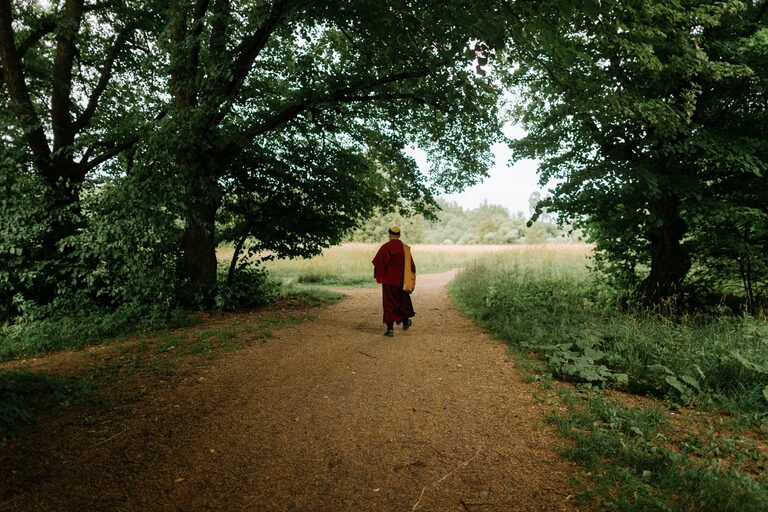
Mindful walking is a gentle form of meditation that combines physical movement with focused attention. It’s an accessible way to connect with the present moment, reduce stress, and enhance your overall well-being. Whether you have a busy schedule or prefer quiet moments outdoors, mindful walking can fit easily into your daily routine.
In this beginner’s guide, we’ll explore what mindful walking is, how to practice it, and some helpful tips to get started.
What is Mindful Walking?
Mindful walking is about paying full attention to the experience of walking. Instead of walking on autopilot, you focus on the sensations of movement, the rhythm of your steps, and the environment around you. This practice helps anchor your mind to the present, making it less likely to wander to worries or distractions.
Unlike regular walking, which often serves as just a way to get from one place to another, mindful walking is a form of meditation in motion. It encourages awareness, calmness, and a deeper connection to your body and surroundings.
Benefits of Mindful Walking
Practicing mindful walking regularly can offer several benefits, including:
– Reduced stress and anxiety: Focusing on the present moment can help ease mental tension.
– Improved mood: The combination of fresh air and mindfulness boosts feelings of happiness.
– Better focus and concentration: The practice trains your mind to stay attentive.
– Enhanced physical health: Walking promotes circulation and gentle exercise.
– Greater appreciation of nature: Mindfulness increases your awareness of the sights, sounds, and smells around you.
How to Practice Mindful Walking: Step-by-Step Guide
Here’s a simple approach to begin mindful walking:
1. Choose Your Walking Space
Find a quiet, safe area where you won’t be rushed or distracted. This could be a park, a quiet street, or even a hallway in your home if the weather isn’t favorable.
2. Stand Still and Ground Yourself
Before you start walking, stand still for a moment. Feel the connection of your feet with the ground. Notice your posture, breathing, and any sensations in your body.
3. Begin Walking Slowly
Start walking at a slower than usual pace. This helps you pay closer attention to each step. Feel the heel touching down, the sole rolling forward, and the toes pushing off.
4. Focus on the Sensations
Direct your attention to:
– The movement of your legs and feet.
– The rhythm and pace of your steps.
– Your breathing pattern.
– The environment around you—sounds, smells, sights, and textures.
If your mind wanders, gently bring it back to these sensations without judgment.
5. Coordinate Breathing and Steps (Optional)
Some people find it helpful to synchronize their breathing with their steps, such as inhaling for three steps and exhaling for three steps. This can deepen your focus.
6. Keep a Mindful Attitude
Stay curious, open, and accepting of whatever arises as you walk. Notice any thoughts or feelings without trying to change them.
7. End with Reflection
When you finish, pause again to feel your body and surroundings. Take a few deep breaths, and notice how you feel compared to before the walk.
Tips for Making Mindful Walking a Habit
– Start small: Even 5 to 10 minutes of mindful walking can be beneficial.
– Choose a consistent time: Morning, lunchtime, or evening walks can become routine.
– Use reminders: Set a phone alert or place a note in your space to encourage you to practice.
– Be patient: Mindfulness is a skill that develops with practice.
– Combine with other mindfulness practices: Try mindful breathing or body scans to complement your walking.
Mindful Walking Variations
Once you’re comfortable with basic mindful walking, you can explore these variations:
Nature Walks
Focus on the natural elements around you—trees, birds, sunlight, and wind. Notice the colors, shapes, and sounds in more detail.
Loving-Kindness Walk
As you walk, silently repeat kind and positive phrases to yourself, such as “May I be happy, may I be healthy.” Extend this wish to others around you or the world.
Walking with a Group
You can practice mindful walking with friends or community groups where everyone follows the basic mindfulness approach together.
Common Challenges and How to Overcome Them
– Restless mind: It’s normal for thoughts to arise. Simply acknowledge them and gently return your focus to walking.
– Physical discomfort: Choose comfortable shoes and a safe walking path. Don’t push yourself too hard, especially when starting out.
– Distractions: If busy environments make it hard to focus, try walking in quieter spaces or using headphones with guided mindfulness audio.
Final Thoughts
Mindful walking is a simple, effective way to bring more calm and clarity into your day. It requires no special equipment or skills—just your willingness to slow down and pay attention. By integrating mindful walking into your routine, you can enjoy a deeper connection to yourself and the world around you, one step at a time.
Give it a try today, and discover how each walk can become a small moment of peace.