
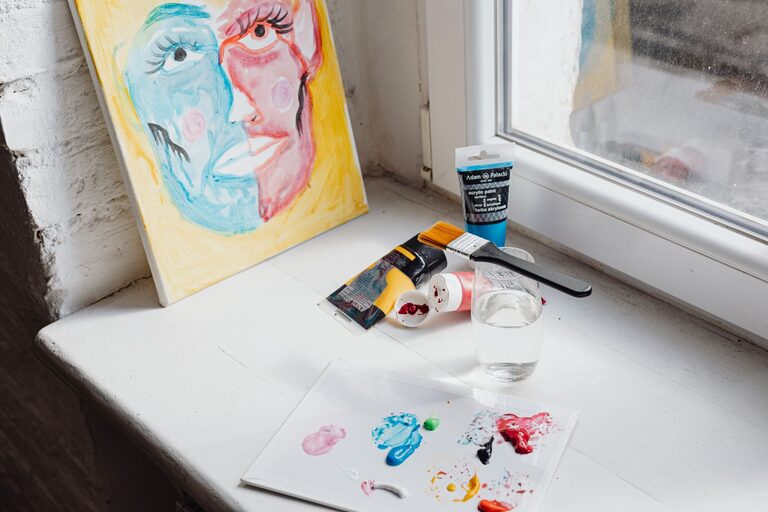
Creativity isn’t just for artists or writers—it’s a valuable skill that anyone can develop and use to solve problems, express themselves, and enrich their daily lives. The good news is that practicing creativity doesn’t require special tools or a lot of time. Small, simple habits incorporated into your daily routine can help you unlock your creative potential. Here’s how you can practice creativity every day with ease.
Why Practice Creativity Daily?
Creativity helps you approach challenges with fresh ideas, adapt to change, and enjoy personal growth. When you engage your creative mind regularly, you build mental flexibility and a positive attitude toward problem-solving. This can improve not only artistic pursuits but also work, relationships, and overall well-being.
Simple Ways to Practice Creativity Every Day
1. Keep a Daily Journal
Writing in a journal allows you to capture thoughts, ideas, and feelings without judgment. Try these prompts to get started:
– Describe something interesting you noticed today.
– Write a short story or poem inspired by a random object.
– List three things you’re grateful for and why.
Journaling enhances self-expression and can trigger new ideas when you review your entries later.
2. Embrace Morning Pages
Made popular by Julia Cameron’s The Artist’s Way, morning pages involve writing three pages of longhand, stream-of-consciousness thoughts first thing in the morning. This practice clears mental clutter and encourages spontaneous creativity.
3. Set Aside Time for Creative Play
Play isn’t just for kids. Engage in activities like doodling, coloring, or building with blocks to stimulate your imagination. Creative play reduces stress and allows your mind to explore without pressure.
4. Try a New Perspective
Change your routine or environment to spark new ideas. Walk a different route, rearrange your workspace, or look at everyday objects from unusual angles. Fresh perspectives can lead to unexpected insights.
5. Limit Screen Time to Encourage Imagination
Excessive screen time can dull creativity. Allocate specific times to disconnect from devices and spend those moments engaging in analog activities like reading, drawing, or brainstorming on paper.
6. Practice Mindfulness and Observation
Mindfulness helps you become more aware of your surroundings and thoughts. Spend a few minutes each day observing details—a bird’s flight pattern, the texture of leaves, or sound rhythms. This heightened awareness feeds creative thinking.
7. Use Creative Prompts and Challenges
Participate in daily or weekly creative challenges, such as writing a six-word story, taking a photo based on a theme, or cooking a meal using three random ingredients. Prompts encourage you to think differently and try new ideas.
8. Collaborate and Share Ideas
Creativity often flourishes in community. Talk with friends or colleagues about your projects, join creative groups online or in person, or simply brainstorm together. Different viewpoints can inspire innovation.
9. Learn Something New Regularly
Exploring new topics or skills keeps your brain active. Try a new hobby, take an online class, or read about unfamiliar subjects. New knowledge can cross-pollinate your creative ideas.
10. Accept Mistakes as Part of the Process
Fear of failure can block creativity. Embrace mistakes and see them as learning opportunities. When you allow yourself to experiment freely, you open the door to original ideas.
Creating a Daily Creativity Routine
By combining some of these practices, you can build a manageable creativity routine. Here’s an example:
– Morning: Write morning pages for 10 minutes.
– Midday: Take a mindful walk and observe your environment.
– Evening: Spend 15 minutes on a creative play activity or journaling.
Adjust this routine to fit your schedule and interests. Consistency is key, even if you only spend a few minutes each day.
Final Thoughts
Creativity is a skill that thrives with regular practice. By incorporating simple, enjoyable habits into your daily life, you can nurture your creative spirit and discover new ways to express yourself. Remember, creativity isn’t about perfection—it’s about curiosity, play, and exploration.
Start small, stay curious, and enjoy the journey of becoming more creative every day!